
Articles by Jon Jagger
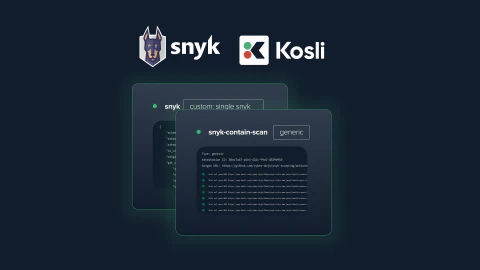
Snyk vulnerability compliance with kosli evaluate trail
Kosli recently released kosli evaluate trail, a command that evaluates selected attestations in a Kosli trail against a Rego policy file. We used it to build a complete and useful solution for …
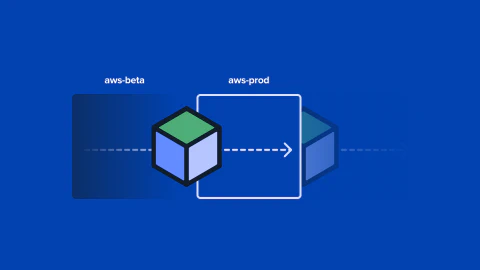
How we implemented a release/promotion workflow with a single approval, using Kosli
Overview A feature we often get asked about at Kosli is whether we can help support a release/promotion workflow: a workflow that deploys a known set of Artifacts from one runtime environment (eg …
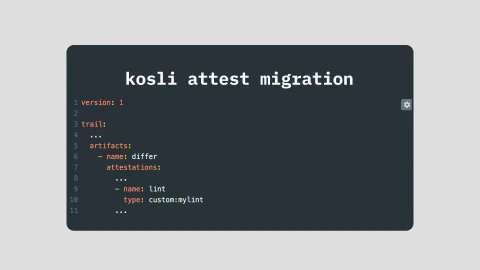
Migrating from Generic to Custom Attestations: A zero-trust approach to compliance
The kosli attest generic CLI command can attest anything, but unlike a “typed” attestation (such as kosli attest snyk), it does not calculate a true/false compliance value for you. …
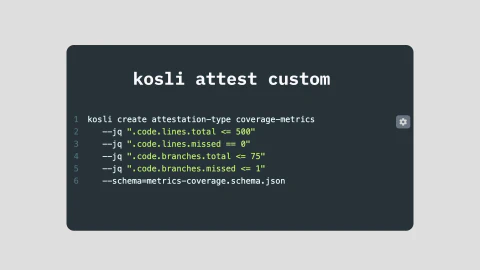
Moving to a zero-trust model with Kosli's custom attestations
The Kosli CLI provides several attest commands, such as kosli attest snyk, kosli attest jira, etc. These attestations are “typed” - each one knows how to interpret its own particular kind …
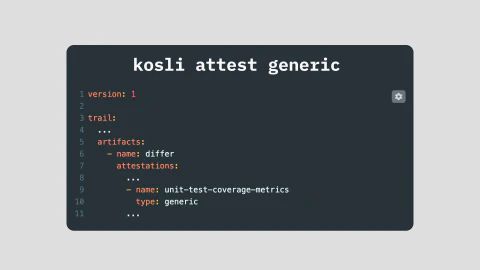
How to make Kosli generic attestations using the kosli-attest-generic command
Update! We recommend using the new custom attestations instead of generic attestations. Please see these two new blog posts: Migrating from Generic to Custom Attestations: A zero-trust approach to …
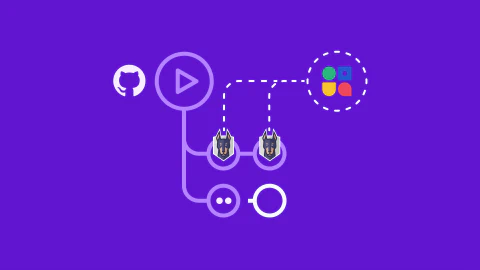
Using Kosli attest in Github Actions Workflows - Some Do's and Don'ts
The heart of Kosli’s functionality lies in its attest command. Think of it as a digital notary for your CI process. Every time you complete a significant step in your pipeline (e.g., a security …
Kosli Changelog - December 2023
Christmas is around the corner and like many we at Kosli are also looking forward to the upcoming holiday break. So we will share the December changelog with you a bit earlier than usual. This month …

From Monitoring to Action - Get Faster Incident Response with Change Forensics 🕵️♀️
In this post you’ll learn how Kosli’s Change Forensics gives DevOps, Platform, and Site Reliability Engineers the ability to rapidly pinpoint and understand changes and events in their infrastructure …

How to run your Python Flask server inside a readonly Docker container
In a previous blog we showed you how to strangle old code using Python decorators. This 5 minute blog post shows you how to run a Python Flask server in a readonly Docker container. The steps are …
How to strangle old code using Python decorators
The Strangler Pattern is a pattern for safely and carefully retiring old code. The idea is simple - you run the old code and new code live, in production, side-by-side, checking that the new code …
Ready to Automate Governance?